RESTORATIVE YOGA POSES: A GUIDE TO DEEP RELAXATION AND PARASYMPATHETIC NERVOUS SYSTEM ACTIVATION

Restorative yoga is a great way to reduce stress, anxiety, and pain. It can also improve sleep quality, boost mood, and increase energy levels.

6davx

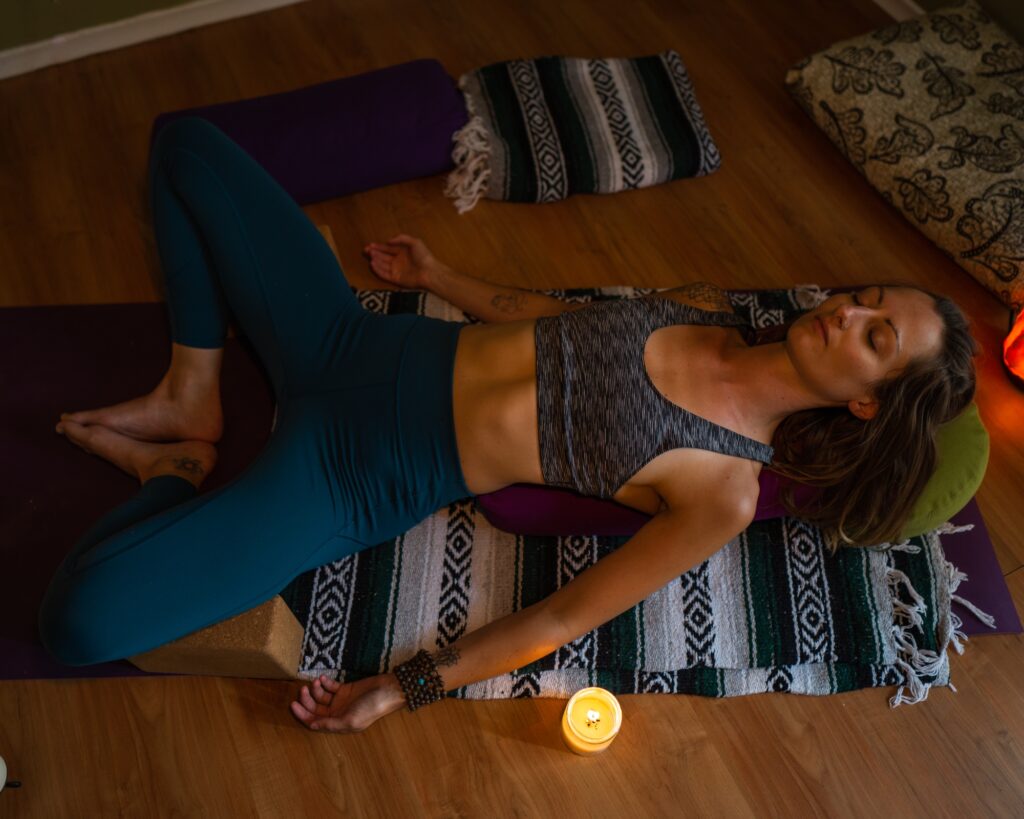
When you think of yoga you probably think about a practice which aims to stretch and strengthen the body, usually through some active movement and stretching. You may be familiar with Hatha or Vinyasa styles of yoga which have certainly gained a lot of popularity. These are probably the most common types of yoga you’ll find in your local studio and also see depicted on TV and in the media. However, since you’ve found this blog post you might actually be aware that there are other types of yoga which take a different approach. Restorative Yoga is one such type of yoga that uses props to support the body in passive poses. This allows the body to fully relax and release tension. This is because Restorative Yoga Poses actually interact with the parasympathetic nervous symptom in a number of interesting and beneficial ways.

First, the slow, deep breathing that is practiced while in Restorative Yoga poses helps to activate the parasympathetic nervous system. The parasympathetic nervous system is responsible for the “rest and digest” response, which helps to slow the heart rate, lower blood pressure, and relax the muscles and slow, and the good news is deep breathing can help support all of these functions! Second, the supported poses in Restorative Yoga help to release tension from the body, and this is often a pretty common reason why peo[……]

Read more

6 Incredible Ways Prenatal Yoga Boosts Mum and Baby’s Health

h9un6

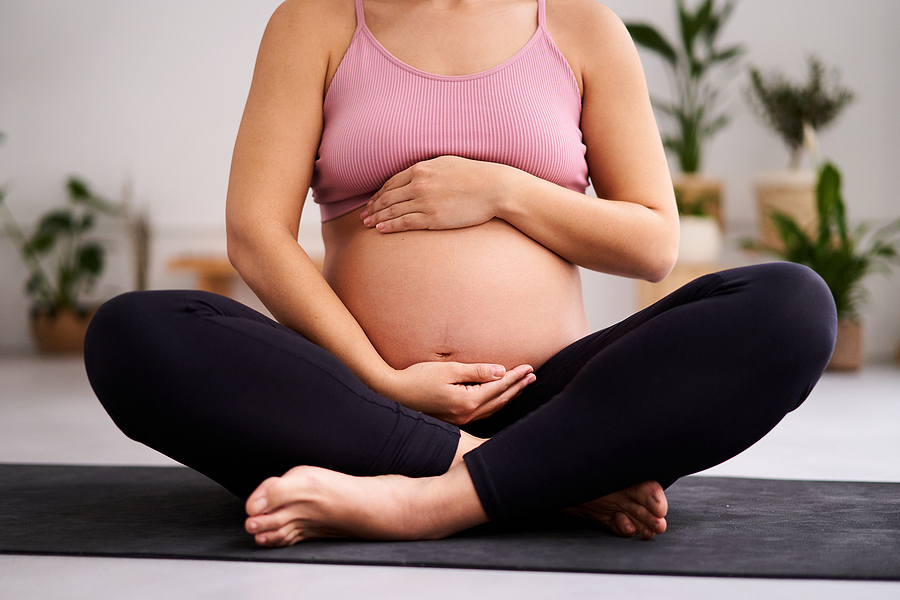
Pregnancy can be a wild ride for mothers-to-be. It is exciting, yet sometimes challenging. All the physical alterations and emotional ups and downs can be a lot to handle. Fortunately, there is a way to make pregnancy smoother with postnatal yoga in Singapore. This gentle form of exercise does wonders for both mums and their little ones, so keep reading if you’d like to find out why many mums-to-be are trying it out!

1. Reduces stress and anxiety

Motherhood is often a stressful time, but practising prenatal yoga can help expecting mums feel calmer and more relaxed. By concentrating on their body and breathing, pregnant women can reduce their tension levels and achieve a better sense of overall well-being. Moreover, prenatal yoga has been proven to lower cortisol levels (associated with stress) and enhance serotonin levels (allowing contentment). Thus, if you’re expecting right now and experiencing anxiety, we recommend giving prenatal yoga a shot!

2. Improves sleep quality

Sleep deprivation is quite common during pregnancy, but it doesn’t have to be this way! By using relaxation techniques and reducing stress with prenatal yoga, expectant mothers can get more restful nights of sleep. Additionally, certain poses may aid in relieving discomforts linked to pregnancy, like backache or restless leg syndrome, which are factors in preventing a good night’s sleep.

3. Increases flexibility and strength

One of the great things about prenatal yoga is that it strengthens muscles while i[……]

Read more

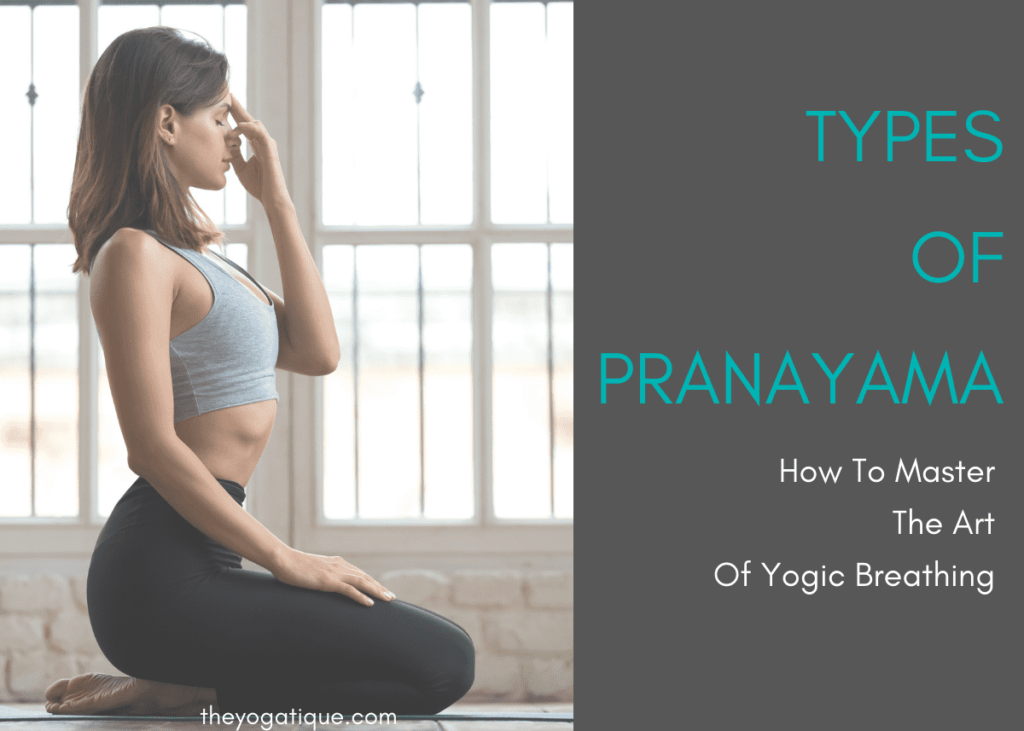
Types of Pranayama: How To Master The Art of Yoga Breathing

1ucta

Do you struggle to stay focused and present? Do you find yourself getting tired quickly? Or do you simply seek learning about a more meditative practices? If so, it’s time to learn about the types of pranayama and meet the fourth limb of yoga.

Pranayama is a vital tool for controlling the fluctuations of the mind, finding presence on the mat, and inner peace in the soul and there is more than one type of pranayama. In fact, there are many.

Pranayama connects us to the most vital energy within us, our breath. Practicing pranayama also teaches us how controlling this life force can regulate our energy, improve our mental well-being and deepen our spiritual connection.

But what exactly is pranayama, and why should you practice breathing techniques? Read on to discover everything you need to know about the different types of pranayama you can try today!

The origin and meaning of pranayama

The Sanskrit term pranayama is a combination of two words; ‘Prana’ and ‘Ayama.’ ‘Prana’ means life force, as our breath keeps us alive. ‘Ayama’ translates to extending or stretching but can also mean controlling. Thus, “Pranayama” means lengthening or controlling the life force.

In simple terms, pranayama means actively breathing as you control or extend the inhale and exhale. However, how you do that depends on the specific technique, which we will explore in more detail below.

Pranayama does not necessarily mean slow, deep breathing that is a misconception. Sometimes, it can mean breathing fo[……]

Read more

Did You Know Of These Benefits Of Power Yoga?

The words ‘power yoga’ refers to a robust, fitness-based approach to vinyasa-style yoga and it has many benefits for the human body. Though many people dismiss power yoga as ‘gym yoga’, it was based on the Ashtanga method at its inception.

With its emphasis on strength and flexibility, power yoga is a type of yoga that focuses on increasing muscle strength and endurance. The poses are difficult, and you move swiftly from one to the next.

It’s a good physical workout, and unlike some other types of yoga, where the same series of positions are repeated every time, power yoga lessons are rarely the same.

What Is Power Yoga Exactly?

mptsh

Power yoga is described as a type of Vinyasa yoga, which has its origins in Ashtanga yoga, a well-established practise that dates back to the early twentieth century.

Rather than treating each position individually, power yoga focuses on the flow from one to the next and that yields many benefits for the human body. Unlike some other types of yoga, the poses aren’t separated from one another. It is a high-intensity, fast-paced workout which requires shifting from one position to the next quickly while syncing your breathing to your body’s various motions.

Power yoga is more energetic than meditative, even though it demands mindfulness and attention to your breathing.

1. Keeps Your Heart Healthy

wqedk

Increasing your heart rate during exercise allows your body to better circulate blood and oxygen to your muscles and organs. As a result, your fitness, stami[……]

Read more

How does Kundalini Yoga work?

7gcac

For the most part, Kundalini Yoga is practiced with the eyes closed. Rhythmic movements, co-ordinated with the breath, are interspersed with rest periods and self observation. As self-awareness increases, the mind begins to drop it’s constant chatter, the nervous system changes gears and this stimulates an endocrine response.

The cascade of electrical impulses and hormone messages triggers the brain to switch from Beta, stress response brain waves, to healing Alpha and even Theta brain waves. Within this state of mind, one becomes present. The mind becomes clear, relaxed and focused and states of deep inner wisdom and peace become the norm.

What are The Benefits from this Yoga?

Helps to reduce anxiety and depression

Improves mental health and feelings of wellbeing

Helps to promote a positive self image

Increases emotional awareness and helps one process negative emotions and experiences

Reduces overwhelm and promotes resilience

Balances the nervous system to promote healthy sleep and improve energy levels

Balances the endocrine system and regulates hormones

Improves mental clarity, focus and cognition

Promotes a strong sense of self, promotes healthy decision making and boundaries

Improves general health, fitness and vitality and reduces pain

Who can practice it?

Many people imagine that they are not flexible or fit enough to attend a yoga class, however, this is rarely an issue with Kundalini. Although the practice can often be physically challenging, each individual goes a[……]

Read more

Karma Yoga

9e6e4

Karma moves in two directions. If we act virtuously, the seed we plant will result in happiness. If we act non-virtuously, suffering results.

Sakyong Mipham

Karma Yoga emphasizes on selfless action and service, while being detached from any reward or result. It states that once you achieve selfless acts, your mind becomes pure. The word Karma means to do and the word Yoga means union. Therefore you’re on a path of union by action. This includes your will and the way you act.

Karma is like an active bank account of actions. Many proverbial sayings are based on this: you will reap what you sow, what goes around comes around and you get what you deserve. Your past karmas will affect your future.

According to Hindu philosophies, certain individuals are born with certain karma abilities, both negative and positive. This stems from past lives and push towards performing actions in the present. This process is said to continue until no more karma remains, (zero balance), then you can achieve pure liberation. Rebirth, with your karmic bank balance, is what Hindus call reincarnation. This will be the basis of your future life. That’s why one child may be born in poverty and one may not.

Karma can also be created in your current life. Your soul records an imprint of every action taken. Since karma is one of the things we take with us when we die, depending on your actions in this life, you can take good or bad karmas with you to the next life.

We must work in harmony with the greater[……]

Read more

What Is Jnana Yoga? Meaning, Benefits & How to Practice the Yoga of Knowledge

Yoga is a path to many things, whether you’re striving for peace, the perfect posture, or a more balanced life. But, one of the most important (and challenging) paths found in yoga is Jnana Yoga. Known as the Path of Knowledge or Gyana Yoga, this powerful practice is about courageously examining our inner world—flaws, worries, emotional triggers and all—so we can live with eyes wide open. Unlike passing highs from scrolling on Instagram or shopping at the mall, Jnana Yoga offers us the kind of radical self-awareness and peace we are all seeking deep down.

While practicing and even pronouncing Jnana Yoga can be challenging, you don’t have to be a revered guru or experienced yoga instructor to understand it. In this comprehensive guide, I’ll explain the meaning of Jnana, its benefits, how to pronounce it correctly, as well as simple ways you can walk the Path of Knowledge in your daily life.

What Is Jnana Yoga?

q50zy

Unlike Vinyasa or Hatha Yoga, Jnana Yoga isn’t a physical asana practice. It’s one of the Four Paths of Yoga which were designed to lead spiritual seekers to enlightenment or true self-awareness.

The four paths presented in yoga philosophy are:

Karma Yoga (the Path of Duty)

Bhakti Yoga (the Path of Devotion to Purity)

Raja Yoga (the Path of Self-control)

Jnana Yoga (the Path of Knowledge of Self)

Also known as Gyana Yoga, Jnana Yoga is defined as the practice of shedding the ego and gaining knowledge of the true Self through self study and analysis. With this deep aware[……]

Read more

Book Bolt Software