These 9 Restorative Yoga Poses Will Give You the Relief You’re Craving
vv6my

If you prefer fast-paced dynamic workouts such as HIIT, rowing, and power yoga, you may see exercise as an opportunity to break a sweat and bring your heart rate up. And while there’s nothing wrong with those motivations, sometimes your body needs something a bit calmer and gentler to quite literally ground you back down to earth. You may want to consider restorative yoga, a perfect option for balancing out your workout routine while also helping alleviate stress. Read on for some of the best restorative yoga poses to try.

What Is Restorative Yoga?

When you think of yoga, you might imagine pushing back into Downward-Facing Dog (Adho Mukha Svanasana), flowing through Sun Salutations (Surya Namaskars), or going upside down into a Handstand (Adho Mukha Vrksasana). Unlike these more active postures and sequences, restorative yoga allows you to simply let go and melt into your mat.

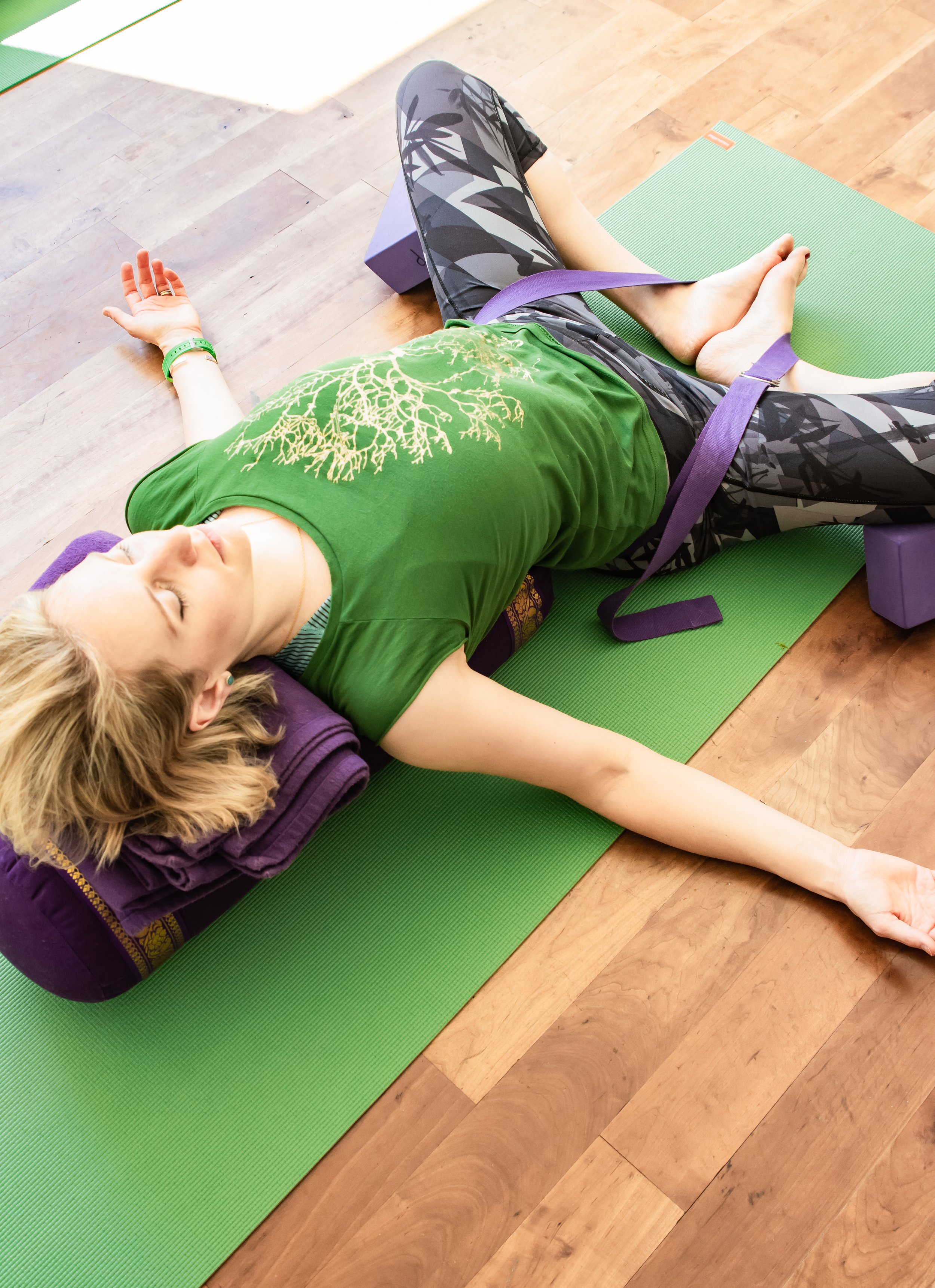
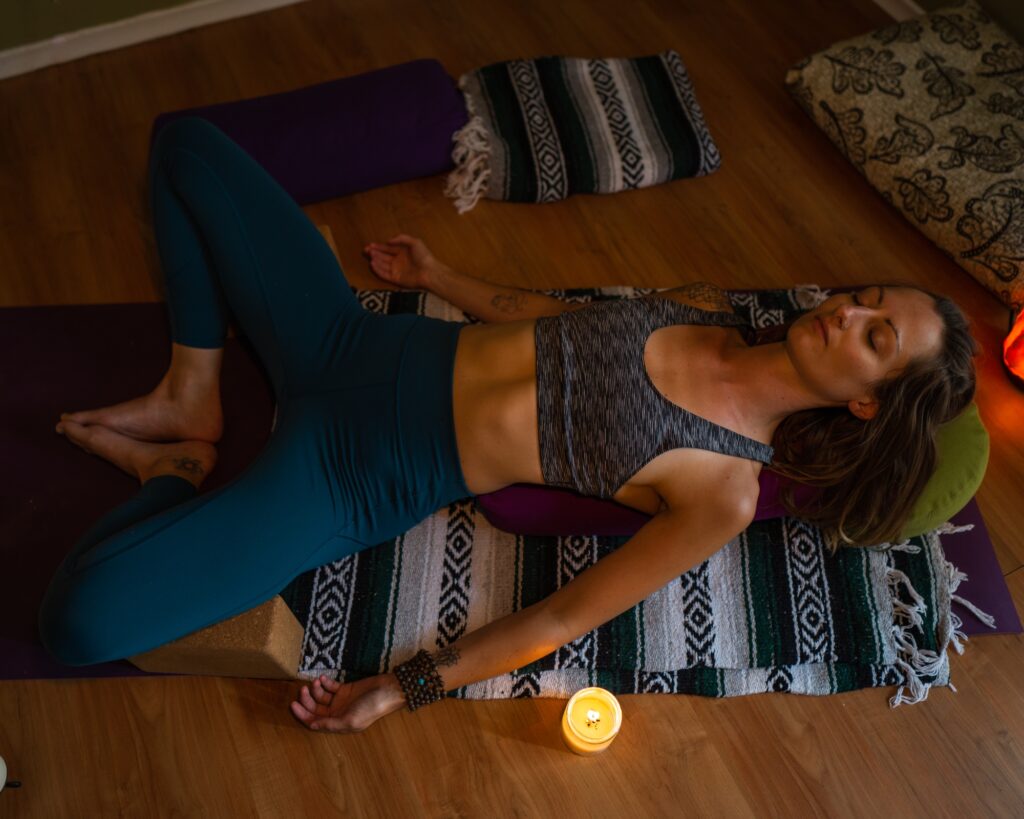
“Restorative yoga differs from other types of yoga in that it is completely passive and supported,” says Peloton instructor Anna Greenberg. “There’s no effort from the practitioner at all to hold themselves up in any of the postures.”

Restorative Yoga vs. Yin Yoga: Key Differences

Be careful not to conflate restorative yoga with Yin Yoga. While both of these practices involve slowing down and maintaining longer holds than you’d find in other yoga classes, they’re far from interchangeable. Yin Yoga requires more effort and action—and can feel intense. “In Yin Yoga, you hold deep stretches that work on stretching the connective tissue for long periods of time, which can be very sensational,” Anna says.

Restorative yoga, on the other hand, facilitates a sense of surrender and release. “In restorative yoga, we’re not looking for intensity or deep stretches,” she says. “We’re looking for total support so that our nervous system can relax and we can tap into our parasympathetic nervous system (the rest-and-digest state).”

Restorative yoga can be the perfect antidote to stress. A 2023 study published in the Journal of Education and Health Promotion found that participants who completed a 45-minute restorative yoga session once a week over a six-week period demonstrated improvements on 13 out of 14 markers of well-being. Of these markers, participants had the most notable increases in feeling more relaxed and thinking more clearly. It’s not a surprise when you consider the roots of restorative yoga.

“One of the biggest benefits of restorative yoga is that it takes us back to that internal rest-and-digest state where we truly restore ourselves from the inside out,” Anna says. “We’re able to process experiences, to truly relax, and to fill up our own cup.”

[……]
Read more

RESTORATIVE YOGA POSES: A GUIDE TO DEEP RELAXATION AND PARASYMPATHETIC NERVOUS SYSTEM ACTIVATION

Restorative yoga is a great way to reduce stress, anxiety, and pain. It can also improve sleep quality, boost mood, and increase energy levels.

6davx

When you think of yoga you probably think about a practice which aims to stretch and strengthen the body, usually through some active movement and stretching. You may be familiar with Hatha or Vinyasa styles of yoga which have certainly gained a lot of popularity. These are probably the most common types of yoga you’ll find in your local studio and also see depicted on TV and in the media. However, since you’ve found this blog post you might actually be aware that there are other types of yoga which take a different approach. Restorative Yoga is one such type of yoga that uses props to support the body in passive poses. This allows the body to fully relax and release tension. This is because Restorative Yoga Poses actually interact with the parasympathetic nervous symptom in a number of interesting and beneficial ways.

First, the slow, deep breathing that is practiced while in Restorative Yoga poses helps to activate the parasympathetic nervous system. The parasympathetic nervous system is responsible for the “rest and digest” response, which helps to slow the heart rate, lower blood pressure, and relax the muscles and slow, and the good news is deep breathing can help support all of these functions! Second, the supported poses in Restorative Yoga help to release tension from the body, and this is often a pretty common reason why people try Restorative Yoga, since we all seem to have a little extra tension in our bodies from time to time. Third, the calming environment in which Restorative Yoga is typically practiced can also help to promote relaxation and activate the parasympathetic nervous system. This is, of course, not unique to Restorative Yoga Poses as a similar calming environment is typical of most yoga and meditation practices, although many people find themselves more at home trying Restorative Yoga Poses than they would sitting upright and cross legged trying to “clear their mind”.

Research has shown that Restorative Yoga can have a number of positive effects on the parasympathetic nervous system, including:

Reducing stress and anxiety

Improving sleep quality

Reducing pain

Improving mood and well-being

Overall, Restorative Yoga is a great way to activate the parasympathetic nervous system and promote relaxation and well-being.

zbqbz

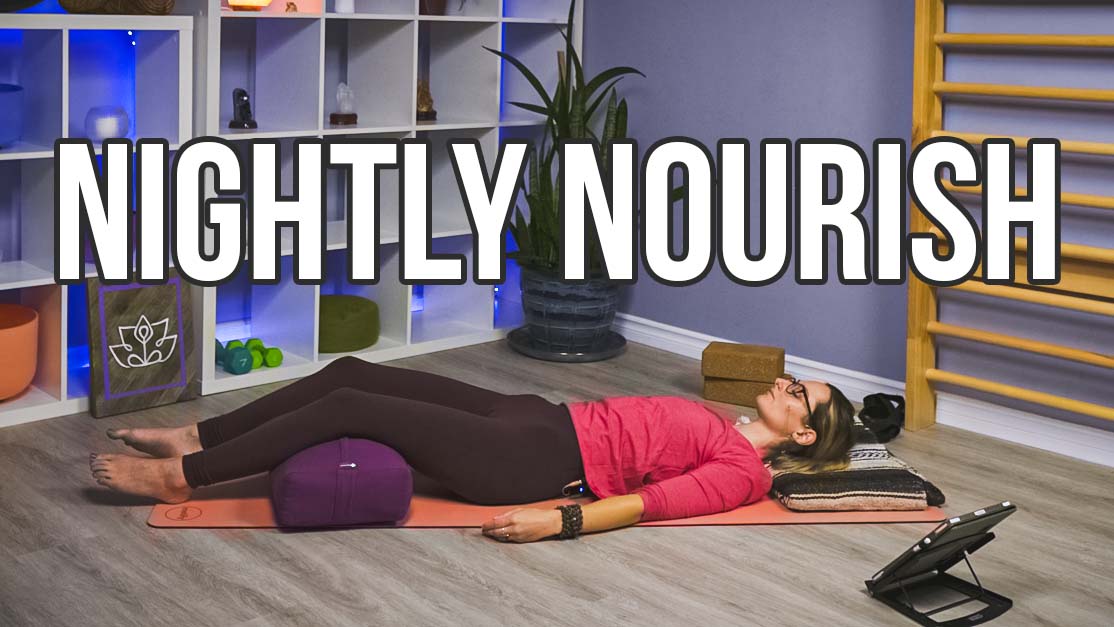
Restorative Yoga is a great way to reduce stress, anxiety, and pain. It can also improve sleep quality, boost mood, and increase energy levels. If you’re looking to try it for yourself, we have a number of fantastic Restorative Yoga practices in our On Demand Video library. One such practice we can encourage you to check out would be our Nightly Nourish class, which is a Restorative Yoga practice you can try just before bed.

[……]

Read more

Restorative Yoga & Meditation

yawk7

Transformative Home Practice – Discover the Benefits of Restorative Yoga

Open to individuals of all skill levels, including complete beginners

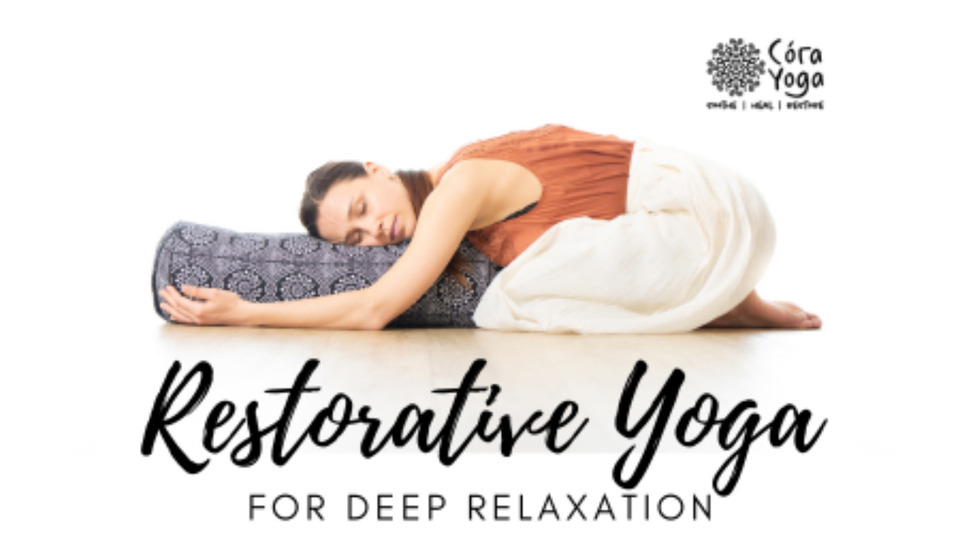
Slow, supported yoga poses, each held for 10-15 minutes at a time using props like folded blankets, pillows, cushions, and blocks

Engages with parasympathetic nervous system, recognized as the “rest & digest” system

Focus is on joint range of movement, flexibility, and mobility

Incorporate mindfulness in relation to your senses – sight, touch, smell, hearing, taste, and thought

Ideal for those times where you may be feeling overwhelmed, anxious, stressed, or when recovering from illness or injury. The invitation is to cultivate a habit of self-care and self-compassion through deep relaxation.

Cost: €15 drop-in / Package 4 classes for €40 / €50 for monthly membership to join any hatha or restorative drop-in classes each month.

Testimonials

Córa’s Restorative Yoga and Mindful Movement is wonderful. I find the mindfulness aspect easier when combined with yoga instruction, and the class is gentle enough for those recovering from/ with chronic injury or illness. Very calming effect. I also found it very effective if you are a carer – this is a class where you genuinely feel no stress but do feel cared for yourself.

I attended Córa’s 5-week Restorative yoga course. I found it to be very relaxing and really helped me to listen to my body so now I can identify the areas in my body I am holding stress and take action.

[……]

Read more

Why A Restorative Yoga Practice Is ALWAYS A Good Choice

I’ve written before about the importance of rest, but as we head into the winter months after a long period of uncertainty, this has never been more important.

znufk

Speaking to several students over the past few months, it feels as if things are very busy for many of us.

This isn’t surprising, as this is the first time in a while that we have been ‘back to normal’, while at the same time, living in a country that currently has the highest rates of Covid in Europe. This is on top of the usual coughs, colds and seasonal bugs that are starting to do the rounds.

The beauty of Iyengar yoga, and having a yoga practice, is that our practice can be a perfect fit. It can change according to your mood, the season, the time of day, your energy levels and so on.

And interestingly I have been choosing a predominantly restorative practice for the last few weeks.

A Bit More about Restorative Yoga

BKS Iyengar is credited with having ‘invented’ restorative yoga as a concept. Due to the ill-health he suffered in his formative years, Iyengar had to fashion props from bits of wood or everyday objects in order to get into yoga poses. His inventive use of props meant that the benefits of poses could be felt without over-straining the body.

Restorative yoga is about allowing the pose to do you, rather than you doing the pose. You have to allow the body to inhabit the pose, and then let the breath inhabit the body, and the mind inhabits the breath. When you become fully passive in the pose there is a sense of weightlessness and submersion in the pose.

Why Restorative Yoga isn’t Resting Yoga (necessarily)

The name restorative can be misleading however. Some students get overexcited when the bolsters come out, but restorative yoga doesn’t necessarily mean it’s going to be resting.

Restorative yoga is about restoring the natural balance of the body, physically, emotionally, and hormonally. Sometimes this is done through supported backbends, long holds of inverted poses and other things that can feel distinctly UNRESTFUL while you’re doing them.

This is because yoga emphasises the need for relaxation, but it goes further and advocates rejuvenation. Relaxation is going from a negative to a neutral state, while rejuvenation is going from a neutral to a positive state.

Why Inverted Asanas are Especially Important

All restorative yoga poses have their benefits, but inverted restorative poses are particularly important for a stressed-out nervous system and for mental and emotional health.

Any pose where the head is positioned below the heart counts as an inverted pose, so you don’t have to be up in full headstand or shoulderstand. Also standing inversions, such as Uttanasana and Adho mukha svanasana with the head supported (preferably on something soft) give the same benefits.

Focusing on Relaxing the Eyes

We can feel tired after a whole day spent working on the computer, but it’s brain-tired. Our eyes are pushed forwards from looking at the screen, and we haven’t been breathing properly so the body is not fully oxygenated.

With so much of our lives now conducted on screens – Zoom meetings, online yoga, WhatsApp chats, and so on, we need to find a way to take a break from all the screen-related activities.

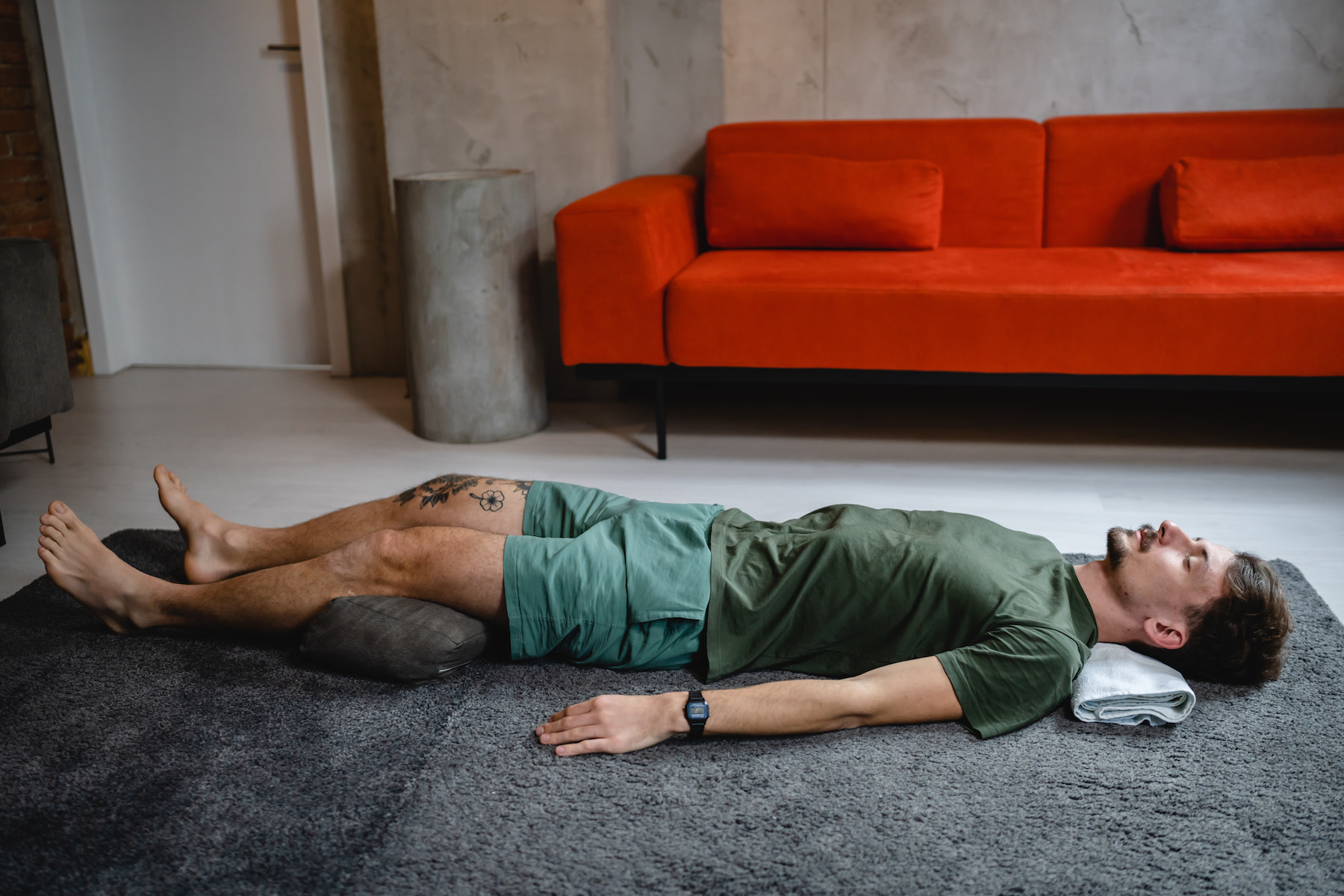
Yoga gives us this time to rest our eyes. Here’s a simple exercise you can try: take a bandage and softly cover the eyes. Lie in supported savasana and allow the eyes to completely soften. Focus on the breath.

In any yoga pose, it’s important to check on what’s happening with the eyes, especially strenuous poses such as backbends. We need to learn to soften the face, even while working the rest of the body – this eventually leads to the ‘effortless effort’ of Patanjali’s sutras.

[……]

Read more

Book Bolt Software