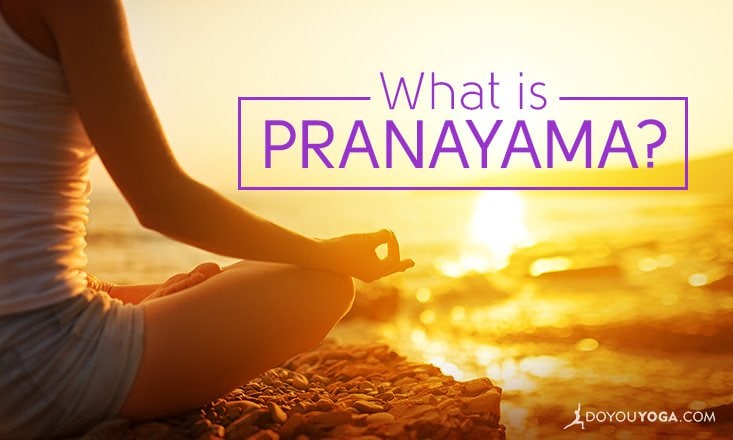
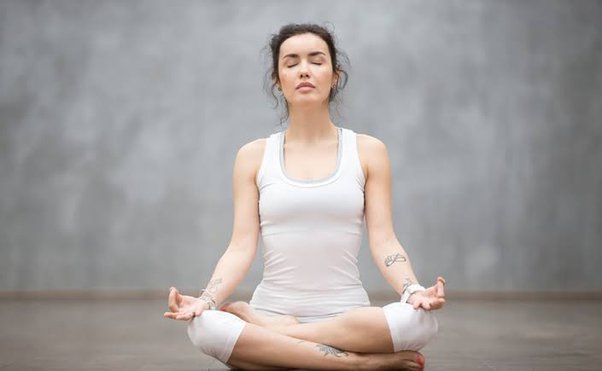
KAPALBHATI PRANAYAMA YOGA POSE

Yoga is a beautiful art that beautifies your life canvas with brilliant colours. This art not only soothes your mind and body but rejuvenate you as a whole person. Every pose is like a different shade of colour which is all set to brighten your life. One such pose that is KAPALBHATI PRANAYAMA YOGA POSE.

1wqf6

This pose is mainly a breathing exercise for the enhancement of the respiratory system. And also marked impact on mental health and intellect.

METHOD:

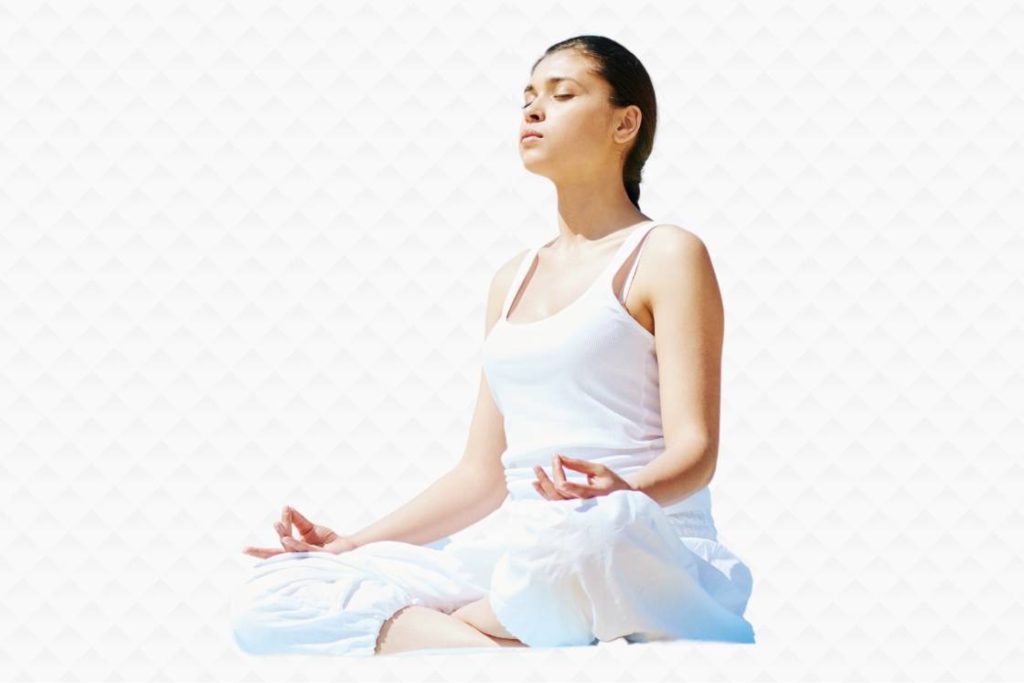
Relax yourself and sit straight with an erect spine. Placing hands on the knee with palms towards the sky.

Relax your shoulder and close your eyes.

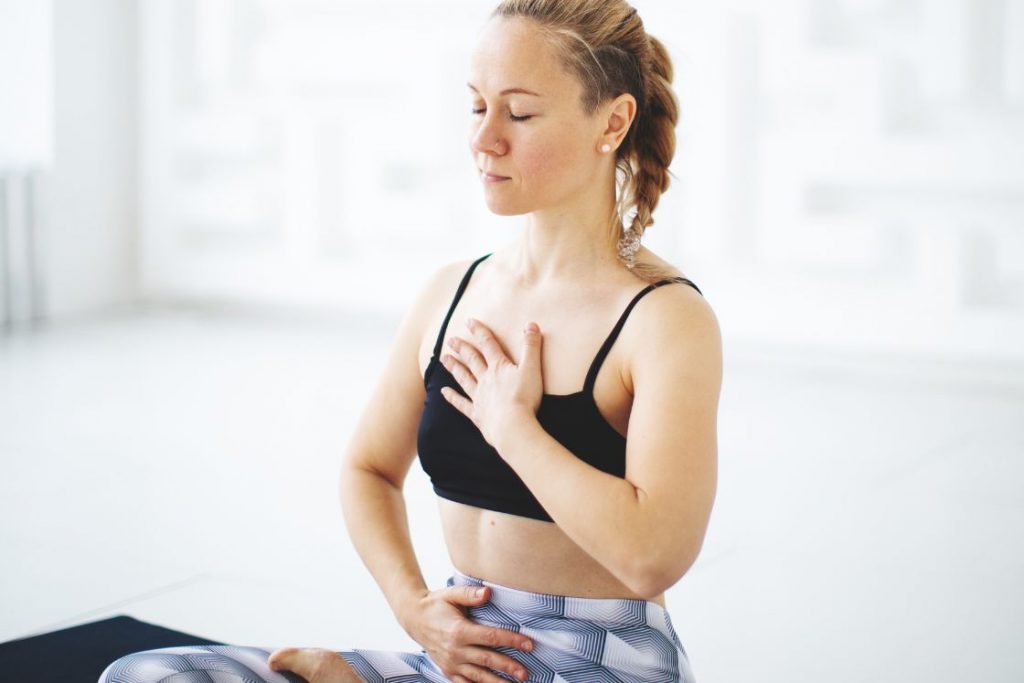
Breath in, focusing on the belly region.

Exhale out while pulling your navel back towards the spine.

While exhalation there should be a hissing sound.

During Inhale, the stomach should be pulled inwards and in exhalation, outwards.

20 such breaths will make the one round of this pose.

BENEFITS:

Increases blood circulation,

Improves metabolic rate and help in weight loss,

Increases lung capacity and makes them stronger,

Relaxed mind,

Overall improvement of Immune system and various other Health Benefits,

It acts on skin, hair, mind, lungs so on.

PRECAUTIONS:

Before doing any pose it’s better to consult an expert. Every individual is unique in terms of his metabolism and body posture. What suits one, may not suits the other. So, it is advisable to consult the yoga expert before practising any pose.

[……]

Read more

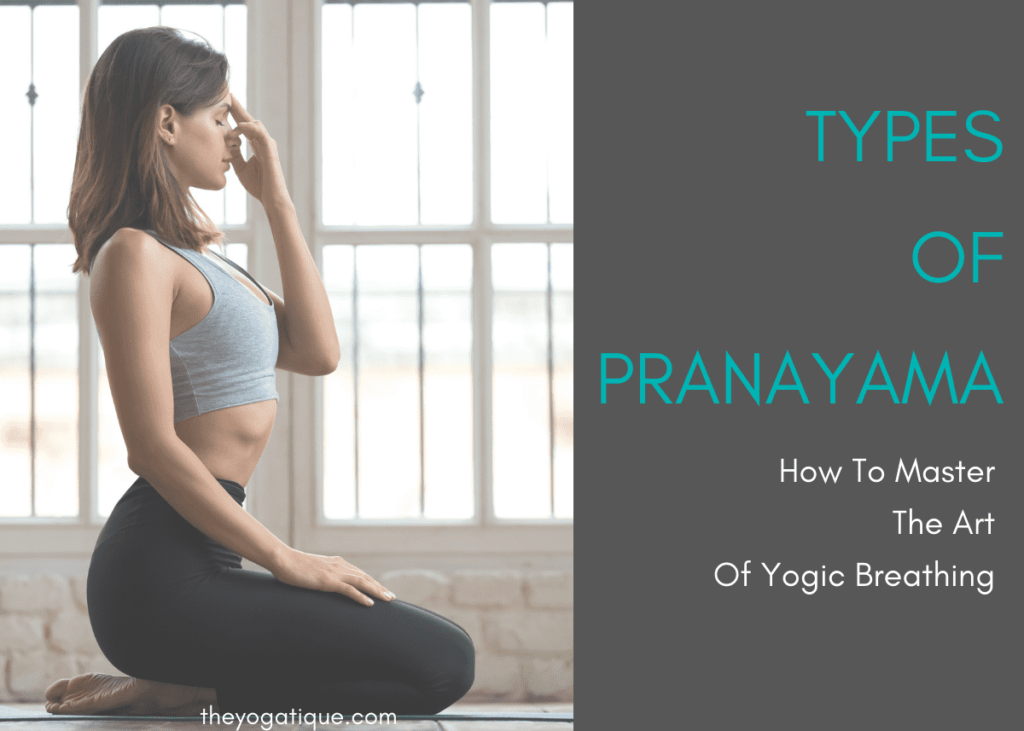
Types of Pranayama: How To Master The Art of Yoga Breathing

1ucta

Do you struggle to stay focused and present? Do you find yourself getting tired quickly? Or do you simply seek learning about a more meditative practices? If so, it’s time to learn about the types of pranayama and meet the fourth limb of yoga.

Pranayama is a vital tool for controlling the fluctuations of the mind, finding presence on the mat, and inner peace in the soul and there is more than one type of pranayama. In fact, there are many.

Pranayama connects us to the most vital energy within us, our breath. Practicing pranayama also teaches us how controlling this life force can regulate our energy, improve our mental well-being and deepen our spiritual connection.

But what exactly is pranayama, and why should you practice breathing techniques? Read on to discover everything you need to know about the different types of pranayama you can try today!

The origin and meaning of pranayama

The Sanskrit term pranayama is a combination of two words; ‘Prana’ and ‘Ayama.’ ‘Prana’ means life force, as our breath keeps us alive. ‘Ayama’ translates to extending or stretching but can also mean controlling. Thus, “Pranayama” means lengthening or controlling the life force.

In simple terms, pranayama means actively breathing as you control or extend the inhale and exhale. However, how you do that depends on the specific technique, which we will explore in more detail below.

Pranayama does not necessarily mean slow, deep breathing that is a misconception. Sometimes, it can mean breathing forcefully and rapidly to produce specific effects.

Pranayama is an integral part of yoga practice, and in yogic philosophy, it is one of the eight limbs of yoga.

Types of pranayama and benefits

According to Swami Kuvalayananda, classical Hatha yoga has eight types of pranayama breathing techniques. However, in other lineages and modern-day yoga styles, various breathing techniques are related to yoga. For example, some sources believe there are around 15 types of pranayama in total.

The health benefits of pranayama will depend on the specific technique you do.

Some pranayamas are “cooling,” which have a calming effect on the parasympathetic nervous system and promote relaxation. Cooling pranayamas are good for destressing, reducing anxiety, clearing the mind, and preparing for sleep.

Other pranayamas are “heating” and have a stimulating and energizing effect on the body and mind. Heating pranayamas are good for boosting energy and enhancing focus.

Who should practice pranayama

Beginners can and should incorporate pranayama breathing techniques into their yoga classes. You can do them at the beginning of your asana session, during it, immediately after, or as a separate practice.

You do not need to have mastered the postures to learn the breathing techniques of yoga.

[……]

Read more

4 Best Pranayama Breathing Exercises for High Blood Pressure

axq8v

Almost everyone, from teenagers to the elderly, is highly affected by high blood pressure, which is a very common ailment.

A higher occurrence of high blood pressure has been linked to poor lifestyle choices such as eating the wrong things, being inactive, and having trouble sleeping. Stroke and heart disease are more likely to affect those with high blood pressure.

Yoga can help lower blood pressure by bringing these lifestyle changes: exercise, maintaining a healthy weight, and stress reduction.

Pranayama, a part of yoga that deals with breathing and its regulation, is highly effective to control blood pressure. It plays a vital role in calming the mind, stabilizing the heart rate, and increasing lung capacity, all of which can directly lower blood pressure.

In this article, we will discuss which pranayama is good for high blood pressure, how it works, and which pranayama one must avoid in case of hypertension.

What is high blood pressure?

When your blood pressure is higher than the normal range, it is typically called high blood pressure (also known as hypertension). Before understanding the situation of high blood pressure, we should first understand what is normal blood pressure.

The force of blood against the artery walls is known as blood pressure.

Systolic blood pressure is the first number, and it represents the pressure in your arteries while the heart beating.

Diastolic blood pressure, or the second number, gauges the pressure in your arteries between heartbeats.

You would say “120 over 80” or write “120/80 mmHg” if the measurement was 120 systolic and 80 diastolic.

Symptoms of high blood pressure

Even when blood pressure measurements are extremely high, most persons with high blood pressure don’t exhibit any symptoms. Without showing any signs, high blood pressure can exist for years. This is also the reason it is known as the “silent killer”.

However, a few people might exhibit the following symptoms:

Headaches

Shortness of breath

Nosebleeds

Sweating

Facial Flushes

The majority of the time, they don’t show up until high blood pressure has become serious or life-threatening. You are putting at risk your life if you disregard your blood pressure in the hope that another symptom or sign would make the issue obvious.

Keeping a regular check on your blood pressure by either going to a healthcare professional or measuring it at home with a BP machine is the best way to keep your BP in check.

Problems due to high blood pressure

The harm increases as blood pressure rise and remains uncontrolled for a longer period. Important organs including your heart, brain, kidneys, and eyes might suffer severe damage. High blood pressure damages blood vessels and internal organs by placing an excessive amount of pressure on the artery walls.

You may experience complications like:

Heart attack, heart failure, heart disease, or stroke

Aneurysm

Chest pain

Chronic kidney disease

Thickened, narrowed, or torn blood vessels in the eyes

Metabolic syndrome

Reduces cognitive ability

Dementia

How pranayama helps in lowering high blood pressure?

gfchc

One direct aspect of pranayama’s effective working for high blood pressure comes from its ability to activate the parasympathetic nervous system.

When we do pranayama which involves slow and deep breathing, our parasympathetic nervous system (rest-and-digest system) gets activated. The activation of the parasympathetic nervous system immediately sends relaxing signals to the brain resulting in a decrease in heart rate and dilation of blood vessels. This results in easy flow of blood in artery walls and hence reduces high blood pressure.

The respiratory and cardiovascular systems are closely related. Consciously controlling the breath through pranayama positively affects cardiovascular indicators such as chest pressure, blood vessels widening, etc. This is due to the fact that different types of pranayama breathing create variations in heart rate, which in turn directly impacts blood pressure.

The physiological effects of pranayama are designed to be therapeutic. It unites the body and mind and gives the body oxygen while expelling toxins. Pranayama’s stress-relieving qualities enhance sleep quality, boost mindfulness, and lower blood pressure.

[……]

Read more

5 Easy Yoga Poses & Pranayama For High Blood Pressure & Hypertension

High blood pressure is a condition that has no symptoms but can put you at risk of developing heart disease. Hypertension, also known as high blood pressure, should not be ignored. Patients with high blood pressure are at a higher risk of heart disease and stroke.

yufvh

Sedentary lifestyle, poor diet, obesity, smoking, stress, family history, and other factors can all contribute to high blood pressure. A healthy diet and regular exercise can help you keep your blood pressure under control. Yoga is another natural and safe way to control hypertension.

Yoga is an ancient method of staying fit that can help you with a variety of health issues. Everyone is looking for which asana is helpful in maintaining normal blood pressure or best pranayama for high blood pressure ? Below we will walk you through one by one.

High blood pressure: Yoga asanas to control hypertension

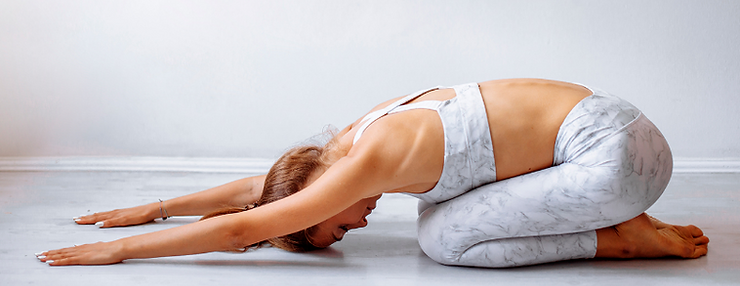
1. Child pose or Balasana or shashakasana

Hypertension patients can benefit from the child pose. It can provide relief from a variety of factors that contribute to high blood pressure. This asana relieves stress while also improving blood circulation throughout the body.

Controlled breathing while performing this asana promotes relaxation and relieves stress in the neck and shoulders.

1hiu2

Precautions For Child pose or Balasana or Shashakasana

Before you come to this asana, make sure you’re dressed comfortably. Because this asana puts a lot of strain on your stomach, a Diarrhea patient may have negative side effects. As a result, if you have diarrhoea, you should avoid doing Balasana.

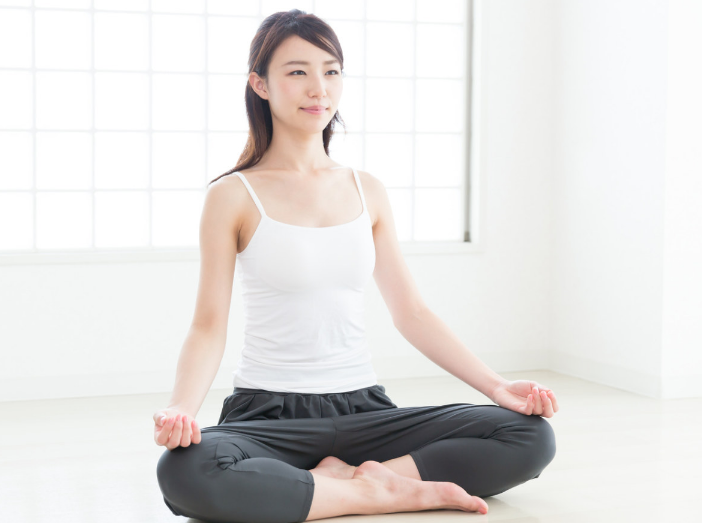
2. Sukhasana or easy pose

It is a popular yoga asana for breathing control. This pose relieves high blood pressure by promoting a calm mind and reducing stress. A calm mind promotes physical health. This asana stretches the back and neck as well. It will also improve your body’s posture.

afjj3

Precautions For Sukhasana or Easy Pose

In the event of a knee injury, this should not be done.

If you have sciatica, stay away from it.

It’s also not a good idea to do it if you have a sacral condition.

It should not be done if you have a slipped disc.

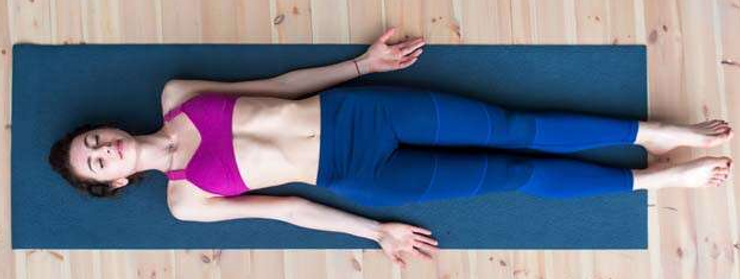
3. Shavasana

Shavasana, also known as corpse pose, is a complete relaxation pose. This is one of the simplest poses to try if you want to lower your blood pressure. Shavasana soothes the mind, relieves stress, relaxes the body, and alleviates headaches, fatigue, and insomnia.

All of these are risk factors for high blood pressure. Shavasana lowers blood pressure by controlling these factors.

r9q46

Precautions For Shavasana

While in Savasana, avoid moving your body because it will disrupt the practise and increase your distractions.

Make sure you’re doing it on a flat, hard surface.

This should be done in a setting that is both calm and relaxing.

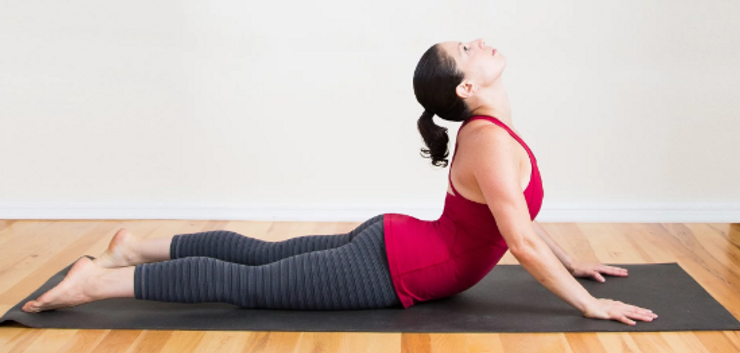
4. Bhujangasana (Cobra pose)

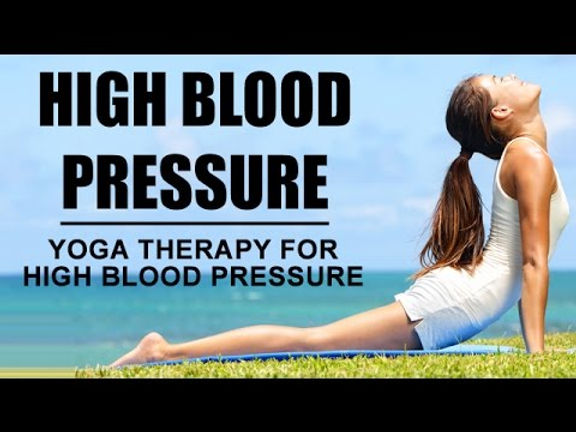
Cobra pose, also known as Bhujangasana, aids in the circulation of blood and oxygen. This pose also helps to relieve stress and improves heart health. This pose will give you more flexibility. Asthmatics may benefit from the cobra pose as well.

1v19p

Precautions For Bhujangasana

Don’t hold your body in a stiff position.

It should not be done by pregnant ladies.

Don’t put too much pressure on yourself to practise it.

Because your buttocks tend to tense up naturally during Cobra stance, keep them loose.

Make sure your arms aren’t straight.

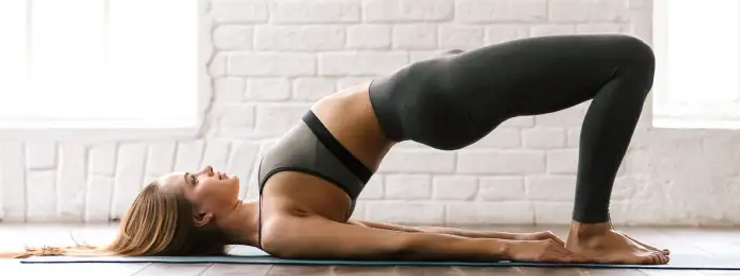
5. Setubandhasana (Bridge pose)

Bridge pose also helps to control blood pressure. It relaxes the mind and relieves stress. This asana is also beneficial in the treatment of mild depression. Bridge pose is beneficial for abdominal organs, lungs, menstrual pain, fatigue, headache, and anxiety, in addition to high blood pressure.

t87yb

Precautions For Setubandhasana

If you have neck problems, you should avoid doing this pose.

It should be avoided if you have a back injury.

If you have knee pain, skip the yoga pose.

If you have a shoulder injury, stay away from it.

While in the stance, avoid turning your head right or left.

[……]

Read more

Book Bolt Software