Benefits Of Hatha Yoga You Need To Know About

What Is Hatha Yoga?
Hatha yoga is a type of yoga practise. Hatha is a Sanskrit word that means ‘force’ and refers to a set of physical techniques. Hatha yoga is related to the Yogis of the Natha Sampradaya and is part of popular culture in India according to its traditional founder Matsyendranath, who is revered as a saint in both Hindu and Buddhist tantric and Hatha yoga traditions.
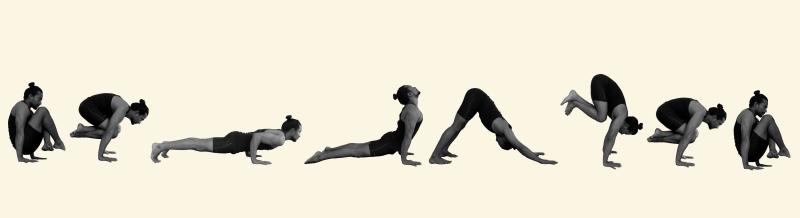
Hatha Yoga is based on a thorough study of the body’s mechanics, and it incorporates yogic postures, or yogasanas, to help the system maintain higher energy dimensions. One may modify and improve their way of thinking, feeling, and experiencing life by practicing this fundamental science.
How Is Hatha Yoga Different From Other Forms Of Yoga?

Hatha yoga is said to be good for harmonising the body and mind. The sun is represented by the letter ‘ha,’ and the moon is represented by the letter ‘tha,’ therefore it implies uniting and balancing the energy of the sun and moon. Asanas, pranayama, mantras, mudras and visualisation are some of the physical techniques. Poses in Hatha yoga are maintained for five or more breaths, to establish the breath while remaining in a position.
This yoga is a seven-fold yoga that helps in cleansing, improving, and regulating the body, relaxing the mind, freeing yourself, and achieving inner peace and radiance, according to a yoga scripture published in Sanskrit, the Gheranda Samhita.
Hatha yoga incorporates a healthy diet for detoxifying the body, asanas for toning th[……]